
1999 Lotus Esprit GT3 – The Esprit Serious Collectors Overlooked
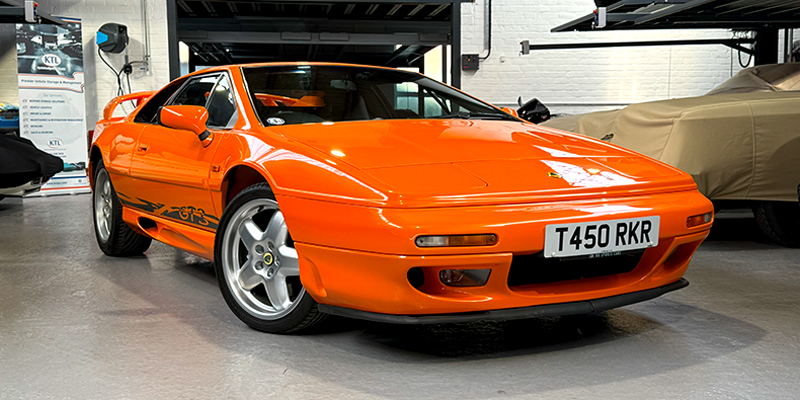
Mention the Lotus Esprit and most people picture the V8 flagships or the white wedge that drove off a jetty and into film history. The 1999 Lotus Esprit GT3 sits in neither spotlight, and that is precisely what makes it interesting. Built in tiny numbers towards the end of the Esprit’s long production run, the GT3 took the model back to first principles: less weight, less excess, more of the steering feel Lotus built its name on. With one of the rare survivors now available in Sydney, this is the right moment to look at why the GT3 may be the most underrated Esprit of them all.
Why the Esprit Still Stops People in Their Tracks
Few silhouettes from the 1970s aged as well as the Esprit’s. The original wedge made the car a poster icon almost overnight, and the softened, muscular redesign that carried it through the 1990s kept it looking exotic long after rivals dated.
Screen fame helped. The Esprit’s submarine turn in a certain 1977 spy film fixed it permanently in popular culture, and decades later the badge still carries that glamour. Yet the car beneath the image was always the real story: a mid-engined, low-slung British sports car built around the idea that weight is the enemy.
That philosophy is the thread running through every Esprit, and nowhere is it purer than in the GT3.
The GT3: The Lightest Take on a British Icon
By the late 1990s the Esprit range was crowned by the V8, but Lotus also offered something quieter and, many enthusiasts would argue, truer to the brand. The GT3 paired the proven 2.0-litre turbocharged four-cylinder with a deliberately pared-back specification, trimming weight and complexity rather than adding it.
The result is often described by marque specialists as the most agile of the late Esprits: a car that trades outright firepower for balance, feel and the kind of chassis communication modern sports cars rarely allow. It is the configuration that rewards a driver rather than flattering one.
For collectors, that character now works in the GT3’s favour. As the market increasingly values analogue, manual, driver-focused cars, the lightest Esprit has quietly moved from footnote to find.
Rarity by the Numbers
Production figures tell the story quickly. The GT3 accounts for just 196 cars, a fraction of total Esprit production, and survivors are scattered thinly across the world.
The example currently offered through the CCI vehicle fleet sharpens those odds further. It is one of only two GT3s finished in orange, and fewer than five GT3s in total are believed to be in Australia. In a collector market that prizes provenance and scarcity, a one-of-two colour combination on a sub-200 production run is the kind of detail that separates a good classic from a significant one.
Rarity alone never made a car worth owning. Rarity attached to a genuinely loved driver’s car is a different proposition.
What This Example Brings to the Table
The 1999 Lotus Esprit GT3 listed with CCI is a right-hand drive, manual-transmission car showing 88,000 miles, wearing that rare factory orange. It presents as what the GT3 was always meant to be: a usable, engaging classic rather than a static museum piece.
Right-hand drive matters in this market. It means the car can be enjoyed on Australian roads as intended, without conversion questions hanging over its history. The manual gearbox matters just as much to the collectors this car will speak to, because it preserves the direct, mechanical experience that defines the model.
Cars like this tend to find their next custodian quickly, precisely because so few alternatives exist.
Collecting Classics in Sydney Right Now
Winter is quietly the best season for the Sydney collector. The buying conversations that start now mature in time for spring’s club runs, show seasons and weekend drives, and the most interesting cars rarely wait for the weather to warm up.
Interest in limited-production British sports cars has strengthened as enthusiasts look beyond the obvious blue-chip marques, and Lotus‘s back catalogue sits squarely in that conversation. For Sydney collectors, the practical question is rarely whether cars like the GT3 deserve a place in a collection. It is whether one will come up at all.
This winter, one has.
The Takeaway
The 1999 Lotus Esprit GT3 is the Esprit for people who buy with their hands as much as their eyes: one of 196 built, one of two in orange, and one of a handful in the country, in the right-hand drive manual form collectors ask for first. Cars with this combination of rarity, usability and story do not linger. If the GT3 belongs in your garage, or you would simply like the full history of this example, the team at The CCI welcomes enquiries through the contact page, where a conversation costs nothing and the car speaks for itself.
Frequently Asked Questions
1. How many Lotus Esprit GT3s were made?
Just 196 Esprit GT3s were produced, making it one of the rarest variants of the Esprit line. The example currently in Sydney is also one of only two GT3s finished in orange, with fewer than five GT3s in total believed to be in Australia.
2. What makes the Esprit GT3 different from other Esprits?
The GT3 paired the Esprit’s 2.0-litre turbocharged four-cylinder engine with a lighter, simplified specification. Enthusiasts often regard it as the most agile of the late Esprits, prioritising balance and steering feel over outright power, which is why driver-focused collectors seek it out.
3. Is the Esprit GT3 available in right-hand drive?
Yes. The GT3 was built in right-hand drive, and the 1999 example currently offered in Sydney is a right-hand drive, manual-transmission car showing 88,000 miles. That combination suits Australian roads and registration without the conversion questions that affect some imported classics.
4. Why are Lotus Esprit GT3s so rare in Australia?
With only 196 built worldwide, very few GT3s ever reached Australia, and fewer than five are believed to be in the country today. Most surviving cars remain in the UK and Europe, which makes a locally available, right-hand drive example a genuinely uncommon opportunity.
5. What should buyers look at before purchasing a classic Lotus?
Provenance is everything with limited-production classics: documented history, originality of specification, and the quality of past maintenance. A specialist inspection and a full conversation about the car’s file are sensible steps before any purchase, and reputable sellers welcome both.
This blog is intended for general informational purposes only. Vehicle details reflect the listing at the time of publication and availability may change. Nothing in this article constitutes financial or investment advice. The CCI encourages interested buyers to make their own enquiries and inspections before purchasing any vehicle.